Few plumbing problems are more frustrating than a drain that keeps clogging. You clear it, everything seems fine for a few days or weeks, and then the water starts draining slowly again.
If this sounds familiar, the problem may be more than a simple clog near the drain opening. Recurring drain clogs can be caused by buildup inside your pipes, improper items going down the drain, or a deeper plumbing issue that needs professional attention.
At
Buffington's Plumbing
we help homeowners throughout Brooks, Griffin, Fayetteville, Peachtree City, Newnan, Zebulon, and surrounding South Metro Atlanta communities diagnose stubborn plumbing problems and get their drains flowing properly again.
Why Does My Drain Keep Clogging?
A drain usually becomes clogged when materials accumulate inside the pipe and restrict water flow. While removing some of the blockage may temporarily restore drainage, the problem can quickly return if the entire obstruction isn't removed.
The location of the clog can also make a difference. A single slow sink may have buildup close to the fixture, while several clogged or slow drains throughout the home could indicate a problem deeper within the plumbing system.
Here are some of the most common reasons homeowners experience recurring drain clogs.
1. Hair and Soap Buildup
Bathroom sinks, showers, and tubs commonly become clogged with a combination of hair, soap residue, shampoo, skin oils, and other debris.
Over time, these materials can stick to the inside of the drainpipe. More debris catches on the buildup, gradually narrowing the opening available for water to pass through.
You may notice:
- Water pooling around your feet in the shower
- A bathtub taking longer to drain
- A bathroom sink draining slowly
- A clog that returns shortly after being cleared
Using drain screens can help catch hair before it enters your plumbing, but existing buildup may require a more thorough cleaning.
2. Grease and Food Buildup in Kitchen Drains
Grease is one of the biggest troublemakers for kitchen plumbing.
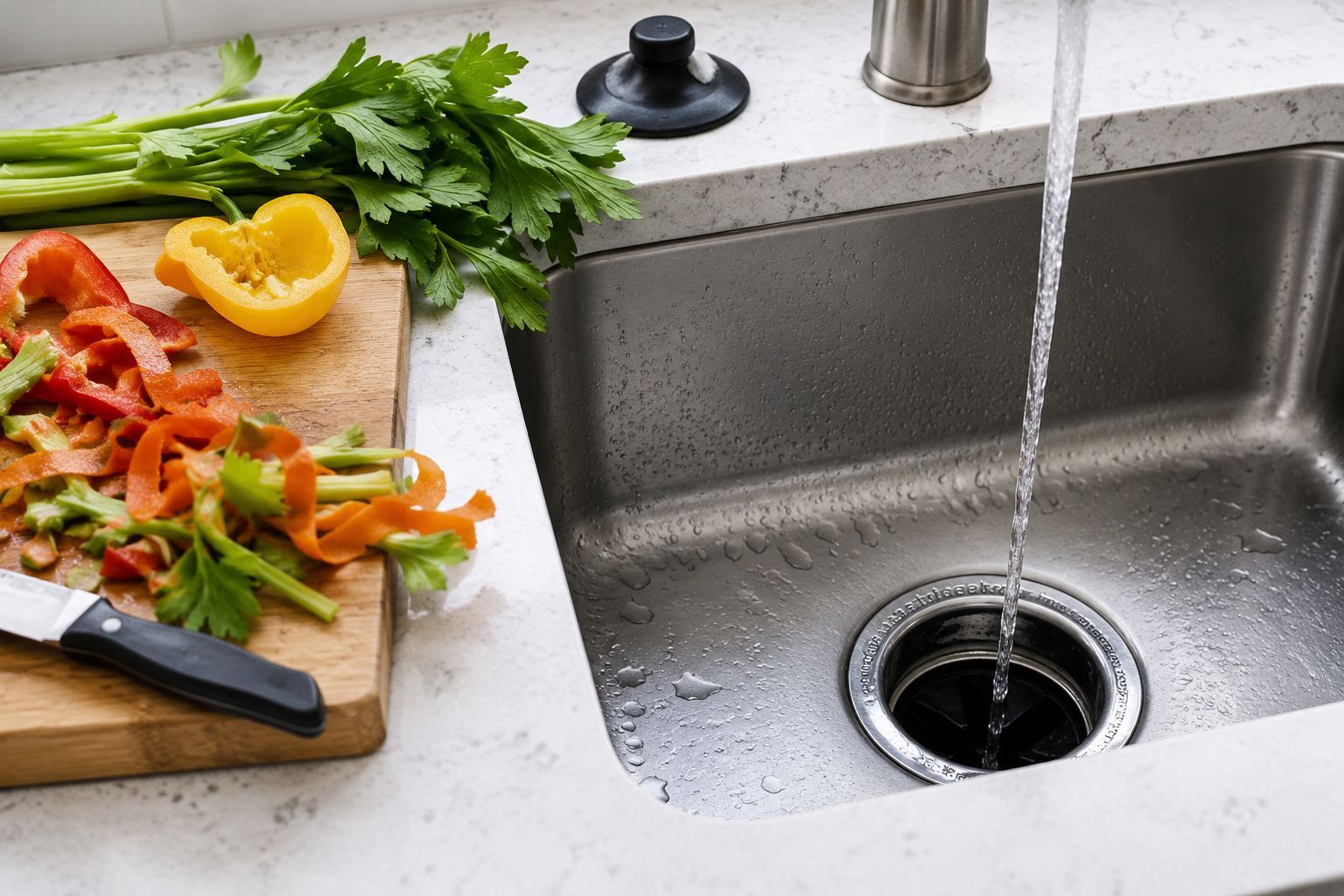
Cooking grease, fats, and oils may be liquid when they're poured into the sink, but they can cool and stick to the inside of your pipes. Food particles and other debris then attach to that residue, creating a stubborn blockage.
Even homes with garbage disposals need to be careful about what goes down the kitchen sink. Coffee grounds, fibrous vegetables, pasta, rice, grease, and other foods can contribute to clogged drains and plumbing problems.
Not sure what belongs in your disposal? Read
What Not to Put Down Your Garbage Disposal
for some of the most common foods and materials to avoid.
3. You're Flushing Things That Shouldn't Be Flushed
Your toilet is designed to handle human waste and toilet paper. That's about it.
Items marketed as convenient or disposable can still create plumbing problems once they enter your pipes. This includes:
- Wipes, including many labeled "flushable"
- Paper towels
- Feminine hygiene products
- Cotton swabs
- Dental floss
- Diapers
- Facial tissues
These materials don't break down the same way toilet paper does and can become caught inside the plumbing system.
If your toilet clogs frequently, what is being flushed may be part of the problem.
4. The Original Clog Was Never Completely Removed
Sometimes a drain appears to be fixed when only part of the blockage has actually been removed.
For example, plunging may create enough space for water to begin flowing again without completely clearing the material lining the pipe. The remaining buildup then catches more debris, and before long, the drain is clogged again.
This is one reason a drain that repeatedly backs up may benefit from professional
drain cleaning rather than another temporary DIY fix.
Professional equipment can help locate and remove stubborn buildup that may be deeper in the plumbing system.
5. Mineral Buildup Is Restricting the Pipe
Minerals found naturally in water can accumulate inside plumbing pipes and fixtures over time.
As deposits build along the interior walls of a pipe, the space available for water to flow becomes smaller. Hair, soap, grease, and other debris can then become trapped more easily.
Mineral buildup may contribute to slow drainage as well as changes in water flow or pressure.
If you've noticed other changes throughout your home's plumbing, our guide to
Low Water Pressure in Your Home explains several other problems that may affect water flow.
6. Tree Roots or Underground Plumbing Problems
Sometimes the problem isn't inside the house at all.
Tree roots naturally seek sources of moisture and may enter damaged underground plumbing lines through small cracks or openings. Once inside, roots can continue growing and restrict wastewater flow.
Underground pipes can also develop problems due to age, shifting soil, corrosion, or damage.
Potential warning signs of a deeper plumbing problem include:
- Multiple drains slowing down at the same time
- Frequent backups
- Gurgling sounds from drains or toilets
- Unpleasant sewage odors
- Water backing up into another fixture when one is used
When several fixtures are affected, the problem may be farther down the plumbing system than a typical household clog.
7. Your Plumbing Pipes May Be Aging
Older plumbing systems can become more prone to drainage problems.
Depending on the pipe material, age and corrosion can create rough interior surfaces that catch debris more easily. Older pipes may also develop deterioration, damage, or other conditions that interfere with normal drainage.
If recurring clogs are happening throughout an older home, a professional plumber can help determine whether the problem is simply buildup or something more significant.
Why Does My Drain Smell Even If It Isn't Clogged?
A bad-smelling drain doesn't always mean you have a complete blockage, but it can be a warning sign.
Food particles, grease, soap residue, hair, and other organic material can collect inside a drain and begin producing unpleasant odors before water flow becomes noticeably restricted.
Persistent sewage-like odors can also indicate a more serious plumbing problem and shouldn't be ignored.
If an odor continues despite normal cleaning, it's a good idea to have the plumbing evaluated.
Should You Use Chemical Drain Cleaner?
Reaching for a bottle of chemical drain cleaner may seem like the easiest solution, especially when you're dealing with a slow sink or shower.
However, repeatedly pouring harsh chemicals into your plumbing isn't a good long-term solution for a recurring clog. A chemical product may not remove the entire blockage, particularly when the problem is farther down the line.
If the same drain continues clogging, identifying what's causing the blockage is more useful than repeatedly treating the symptom.
Buffington's Plumbing offers
plumbing repairs and maintenance for homeowners experiencing ongoing plumbing problems.
When Is It Time for Professional Drain Cleaning?
An occasional minor clog doesn't necessarily indicate a major plumbing issue. But when the same problem keeps coming back, your plumbing may be telling you something.
Consider calling a plumber if:
- The same drain repeatedly clogs
- Multiple drains are slow at the same time
- Water backs up into sinks, tubs, or showers
- Your drains make frequent gurgling noises
- You notice persistent odors
- DIY methods only provide temporary relief
- You're unsure where the blockage is located
Professional drain cleaning can address buildup and blockages more thoroughly while allowing the plumber to determine whether another plumbing problem is contributing to the recurring clog.
Want to catch the problem before you're dealing with a complete blockage?
Read 5 Signs Your Drain Needs Professional Cleaning (Before It's Too Late) for additional warning signs to watch for.
Stop Recurring Drain Clogs Before They Become Bigger Problems
A drain that keeps clogging isn't just inconvenient. Repeated backups can be a sign that buildup or another plumbing issue needs attention.
Buffington's Plumbing
has more than 30 years of experience helping homeowners and businesses throughout Brooks, Griffin, Fayetteville, Peachtree City, Newnan, Zebulon, and surrounding South Metro Atlanta communities with drain cleaning and plumbing services.
If you're dealing with a clogged or slow drain that keeps coming back, contact Buffington's Plumbing to schedule professional plumbing service.