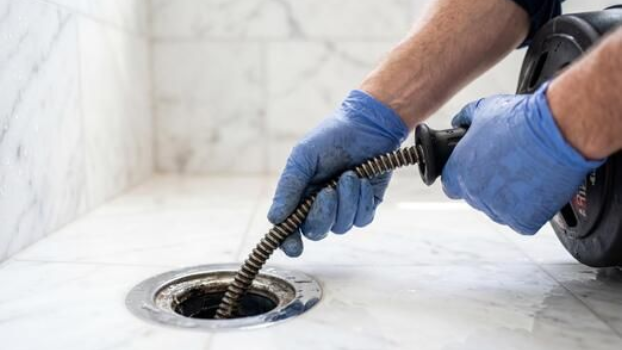
Few plumbing problems are more frustrating than a drain that keeps clogging. You clear it, everything seems fine for a few days or weeks, and then the water starts draining slowly again. If this sounds familiar, the problem may be more than a simple clog near the drain opening. Recurring drain clogs can be caused by buildup inside your pipes, improper items going down the drain, or a deeper plumbing issue that needs professional attention. At Buffington's Plumbing we help homeowners throughout Brooks, Griffin, Fayetteville, Peachtree City, Newnan, Zebulon, and surrounding South Metro Atlanta communities diagnose stubborn plumbing problems and get their drains flowing properly again. Why Does My Drain Keep Clogging? A drain usually becomes clogged when materials accumulate inside the pipe and restrict water flow. While removing some of the blockage may temporarily restore drainage, the problem can quickly return if the entire obstruction isn't removed. The location of the clog can also make a difference. A single slow sink may have buildup close to the fixture, while several clogged or slow drains throughout the home could indicate a problem deeper within the plumbing system. Here are some of the most common reasons homeowners experience recurring drain clogs. 1. Hair and Soap Buildup Bathroom sinks, showers, and tubs commonly become clogged with a combination of hair, soap residue, shampoo, skin oils, and other debris. Over time, these materials can stick to the inside of the drainpipe. More debris catches on the buildup, gradually narrowing the opening available for water to pass through. You may notice: Water pooling around your feet in the shower A bathtub taking longer to drain A bathroom sink draining slowly A clog that returns shortly after being cleared Using drain screens can help catch hair before it enters your plumbing, but existing buildup may require a more thorough cleaning. 2. Grease and Food Buildup in Kitchen Drains Grease is one of the biggest troublemakers for kitchen plumbing. Cooking grease, fats, and oils may be liquid when they're poured into the sink, but they can cool and stick to the inside of your pipes. Food particles and other debris then attach to that residue, creating a stubborn blockage. Even homes with garbage disposals need to be careful about what goes down the kitchen sink. Coffee grounds, fibrous vegetables, pasta, rice, grease, and other foods can contribute to clogged drains and plumbing problems. Not sure what belongs in your disposal? Read What Not to Put Down Your Garbage Disposal for some of the most common foods and materials to avoid. 3. You're Flushing Things That Shouldn't Be Flushed Your toilet is designed to handle human waste and toilet paper. That's about it. Items marketed as convenient or disposable can still create plumbing problems once they enter your pipes. This includes: Wipes, including many labeled "flushable" Paper towels Feminine hygiene products Cotton swabs Dental floss Diapers Facial tissues These materials don't break down the same way toilet paper does and can become caught inside the plumbing system. If your toilet clogs frequently, what is being flushed may be part of the problem. 4. The Original Clog Was Never Completely Removed Sometimes a drain appears to be fixed when only part of the blockage has actually been removed. For example, plunging may create enough space for water to begin flowing again without completely clearing the material lining the pipe. The remaining buildup then catches more debris, and before long, the drain is clogged again. This is one reason a drain that repeatedly backs up may benefit from professional drain cleaning rather than another temporary DIY fix. Professional equipment can help locate and remove stubborn buildup that may be deeper in the plumbing system. 5. Mineral Buildup Is Restricting the Pipe Minerals found naturally in water can accumulate inside plumbing pipes and fixtures over time. As deposits build along the interior walls of a pipe, the space available for water to flow becomes smaller. Hair, soap, grease, and other debris can then become trapped more easily. Mineral buildup may contribute to slow drainage as well as changes in water flow or pressure. If you've noticed other changes throughout your home's plumbing, our guide to Low Water Pressure in Your Home explains several other problems that may affect water flow. 6. Tree Roots or Underground Plumbing Problems Sometimes the problem isn't inside the house at all. Tree roots naturally seek sources of moisture and may enter damaged underground plumbing lines through small cracks or openings. Once inside, roots can continue growing and restrict wastewater flow. Underground pipes can also develop problems due to age, shifting soil, corrosion, or damage. Potential warning signs of a deeper plumbing problem include: Multiple drains slowing down at the same time Frequent backups Gurgling sounds from drains or toilets Unpleasant sewage odors Water backing up into another fixture when one is used When several fixtures are affected, the problem may be farther down the plumbing system than a typical household clog. 7. Your Plumbing Pipes May Be Aging Older plumbing systems can become more prone to drainage problems. Depending on the pipe material, age and corrosion can create rough interior surfaces that catch debris more easily. Older pipes may also develop deterioration, damage, or other conditions that interfere with normal drainage. If recurring clogs are happening throughout an older home, a professional plumber can help determine whether the problem is simply buildup or something more significant. Why Does My Drain Smell Even If It Isn't Clogged? A bad-smelling drain doesn't always mean you have a complete blockage, but it can be a warning sign. Food particles, grease, soap residue, hair, and other organic material can collect inside a drain and begin producing unpleasant odors before water flow becomes noticeably restricted. Persistent sewage-like odors can also indicate a more serious plumbing problem and shouldn't be ignored. If an odor continues despite normal cleaning, it's a good idea to have the plumbing evaluated. Should You Use Chemical Drain Cleaner? Reaching for a bottle of chemical drain cleaner may seem like the easiest solution, especially when you're dealing with a slow sink or shower. However, repeatedly pouring harsh chemicals into your plumbing isn't a good long-term solution for a recurring clog. A chemical product may not remove the entire blockage, particularly when the problem is farther down the line. If the same drain continues clogging, identifying what's causing the blockage is more useful than repeatedly treating the symptom. Buffington's Plumbing offers plumbing repairs and maintenance for homeowners experiencing ongoing plumbing problems. When Is It Time for Professional Drain Cleaning? An occasional minor clog doesn't necessarily indicate a major plumbing issue. But when the same problem keeps coming back, your plumbing may be telling you something. Consider calling a plumber if: The same drain repeatedly clogs Multiple drains are slow at the same time Water backs up into sinks, tubs, or showers Your drains make frequent gurgling noises You notice persistent odors DIY methods only provide temporary relief You're unsure where the blockage is located Professional drain cleaning can address buildup and blockages more thoroughly while allowing the plumber to determine whether another plumbing problem is contributing to the recurring clog. Want to catch the problem before you're dealing with a complete blockage? Read 5 Signs Your Drain Needs Professional Cleaning (Before It's Too Late) for additional warning signs to watch for. Stop Recurring Drain Clogs Before They Become Bigger Problems A drain that keeps clogging isn't just inconvenient. Repeated backups can be a sign that buildup or another plumbing issue needs attention. Buffington's Plumbing has more than 30 years of experience helping homeowners and businesses throughout Brooks, Griffin, Fayetteville, Peachtree City, Newnan, Zebulon, and surrounding South Metro Atlanta communities with drain cleaning and plumbing services. If you're dealing with a clogged or slow drain that keeps coming back, contact Buffington's Plumbing to schedule professional plumbing service.
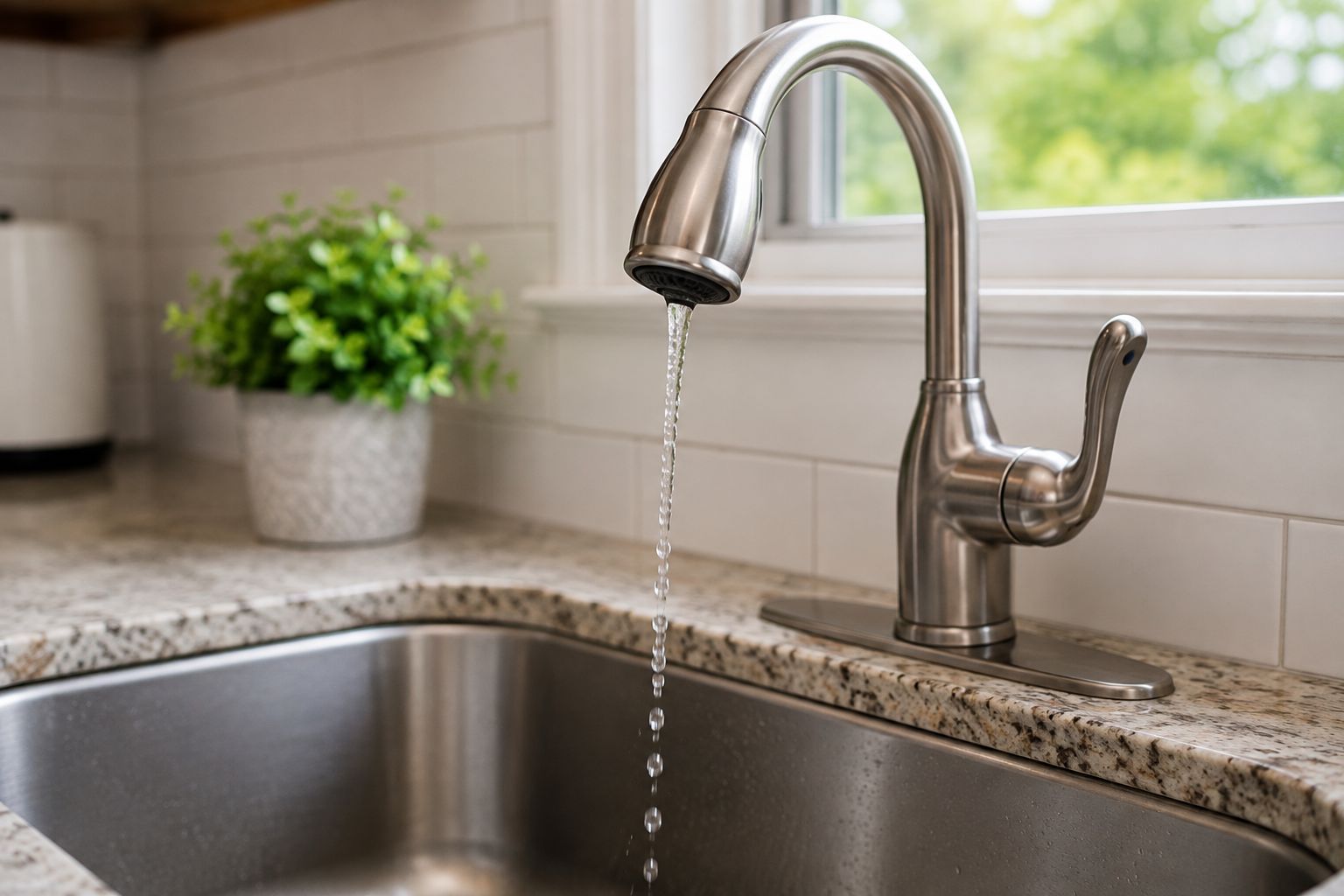
Dealing with low water pressure? Learn common causes and when to call a plumber for water line or plumbing repairs in Brooks, GA and nearby areas.
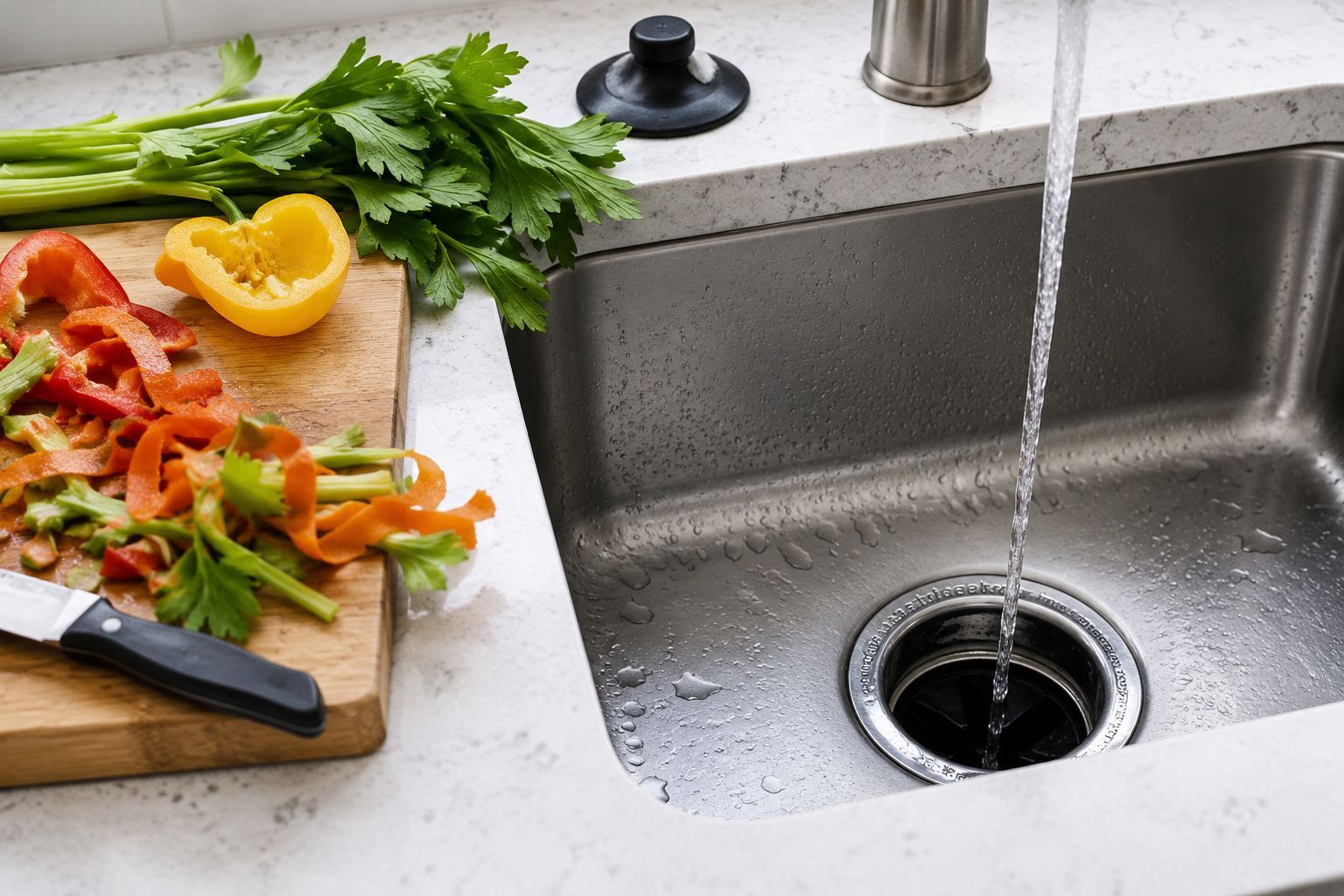
Garbage disposals make cleaning up after meals quick and convenient, but they're not designed to handle everything. Putting the wrong items down your disposal can lead to stubborn clogs, damaged blades, unpleasant odors, and even expensive plumbing repairs. Whether you're cleaning up after a backyard barbecue or preparing fresh summer meals, knowing what not to put down your garbage disposal can help keep your kitchen plumbing working properly. If you're upgrading your kitchen or adding an outdoor cooking area, Buffington's Plumbing also offers Gas Line Installation & Repair for gas ranges, outdoor kitchens, and built-in grills. At Buffington's Plumbing, we've helped homeowners throughout Brooks, Griffin, Fayetteville, Peachtree City, Newnan, Zebulon, and surrounding South Metro Atlanta communities resolve clogged drains, jammed garbage disposals, and other common kitchen plumbing issues. Why Garbage Disposals Get Clogged 1. Grease, Oil, and Cooking Fat One of the biggest mistakes homeowners make is pouring grease or cooking oil down the drain. While liquids may seem harmless, grease hardens as it cools and sticks to the inside of your pipes. Over time, this buildup can: Restrict water flow Trap food particles Cause stubborn drain clogs Lead to unpleasant odors Instead, allow grease to cool, then dispose of it in a sealed container in the trash. 2. Coffee Grounds Coffee grounds don't dissolve in water. Instead, they collect inside your plumbing system and combine with grease or soap residue to create thick blockages. Dispose of coffee grounds in the trash or add them to your compost pile instead. 3. Eggshells Many people believe eggshells sharpen disposal blades, but that's a common myth. The thin membrane inside the shell can wrap around moving parts while crushed shell pieces may collect inside pipes and contribute to clogs. 4. Fibrous Fruits and Vegetables Certain produce contains long fibers that can wrap around your disposal's motor. Avoid putting items like: Celery Corn husks Asparagus Artichokes Onion skins Banana peels These foods are better suited for the trash or compost bin. 5. Pasta, Rice, and Bread Pasta, rice, and bread continue absorbing water after they're discarded. As they expand, they create a thick, sticky mass that can clog both your disposal and drain lines. It's best to scrape these leftovers into the trash before washing dishes. 6. Bones and Fruit Pits Even powerful garbage disposals aren't designed to grind hard materials like: Chicken bones Beef bones Peach pits Avocado pits Corn cobs These items can damage internal components or jam the disposal completely. 7. Potato Peels Large amounts of potato peels create a starchy paste that sticks inside pipes and slows drainage. While a few small pieces may not cause problems, it's best to throw most potato peels in the trash. 8. Seafood Shells Shrimp shells, crab shells, lobster shells, and oyster shells are too hard for most garbage disposals. These materials can dull grinding components and create stubborn blockages. 9. Non-Food Items It may sound obvious, but accidental items often end up in the disposal. Keep these out: Plastic wrappers Twist ties Paper towels Sponges Fruit stickers Glass Metal utensils These objects can quickly damage the disposal and require professional repairs. How to Keep Your Garbage Disposal Working Properly A few simple habits can extend the life of your garbage disposal: Always run cold water before, during, and after using the disposal. Feed food waste gradually instead of all at once. Cut larger food scraps into smaller pieces. Clean the disposal regularly with ice cubes and citrus peels for a fresher smell. Never overload the disposal. Regular care helps prevent clogs while keeping your kitchen plumbing flowing smoothly. Preventing kitchen clogs is just one way to keep your plumbing system running efficiently. If you've also noticed an unexpected increase in your monthly utility costs, check out our guide on Why Is My Water Bill So High This Summer? to learn how hidden leaks and plumbing issues could be affecting your home. When Should You Call a Plumber? If your garbage disposal: Frequently clogs Makes loud grinding noises Leaks underneath the sink Won't turn on Drains slowly Produces persistent odors it's time to have it inspected by a professional. Buffington's Plumbing provides reliable plumbing repairs and kitchen plumbing services throughout Brooks, Griffin, Fayetteville, Peachtree City, Newnan, Zebulon, and surrounding communities. Our experienced team can quickly diagnose the problem and recommend the right solution to get your kitchen back in working order. Keep Your Kitchen Plumbing Running Smoothly A little prevention goes a long way when it comes to your garbage disposal. By keeping grease, fibrous foods, hard objects, and expandable foods out of the disposal, you can reduce the risk of clogs and costly plumbing repairs. If your garbage disposal isn't working properly or you're dealing with a stubborn kitchen drain clog, contact Buffington's Plumbing today. We're here to help homeowners throughout Brooks and the surrounding South Metro Atlanta communities keep their plumbing systems running efficiently.
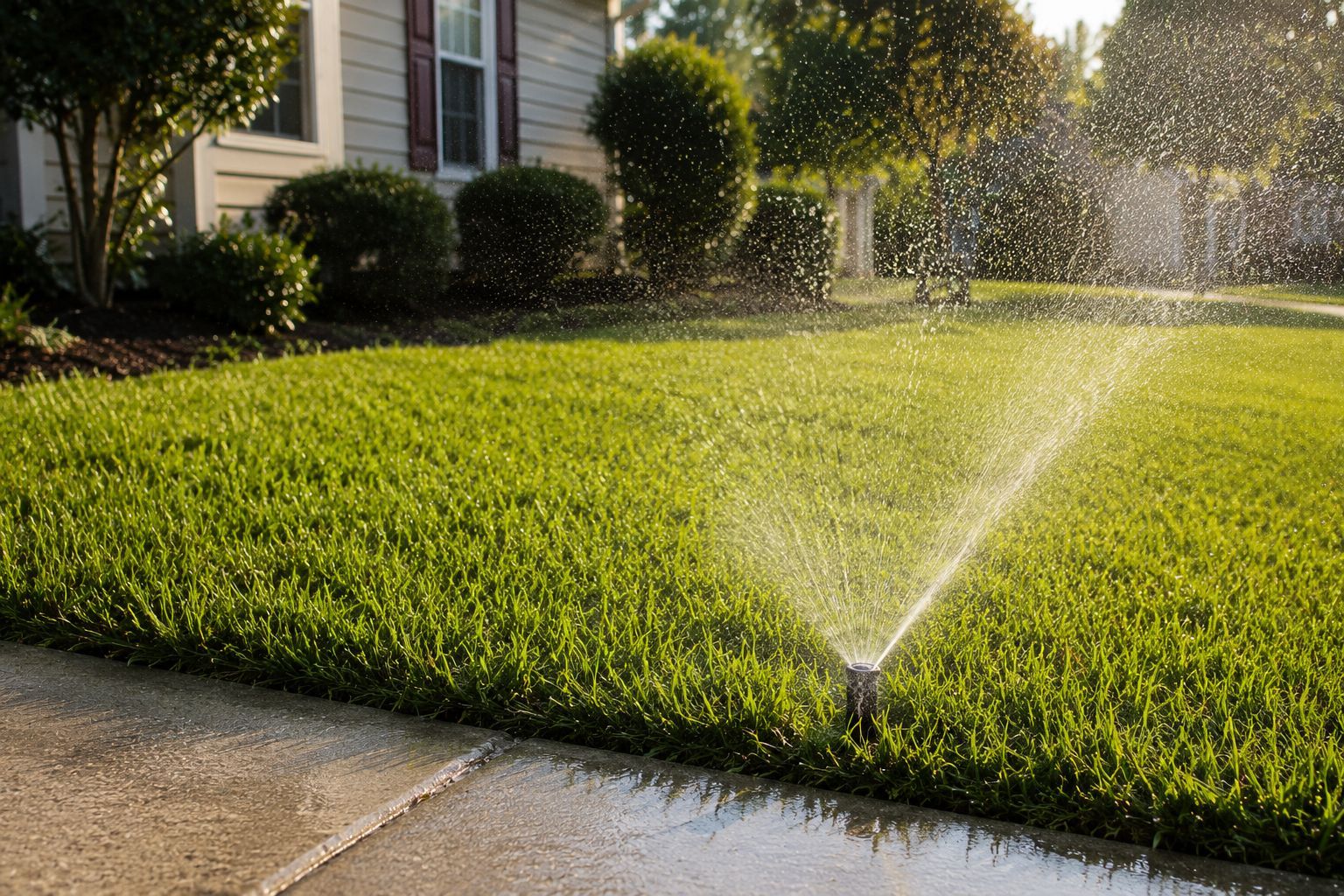
Is your water bill higher than expected this summer? Learn common causes of increased water usage and when it's time to call Buffington's Plumbing.

Planning a new grill, fire pit, or gas appliance? Learn when to call a professional for gas line installation and repair in Brooks, GA.

Upgrade your kitchen and bathroom fixtures with expert installation. Serving homeowners with reliable plumbing upgrades—contact Buffington’s today!
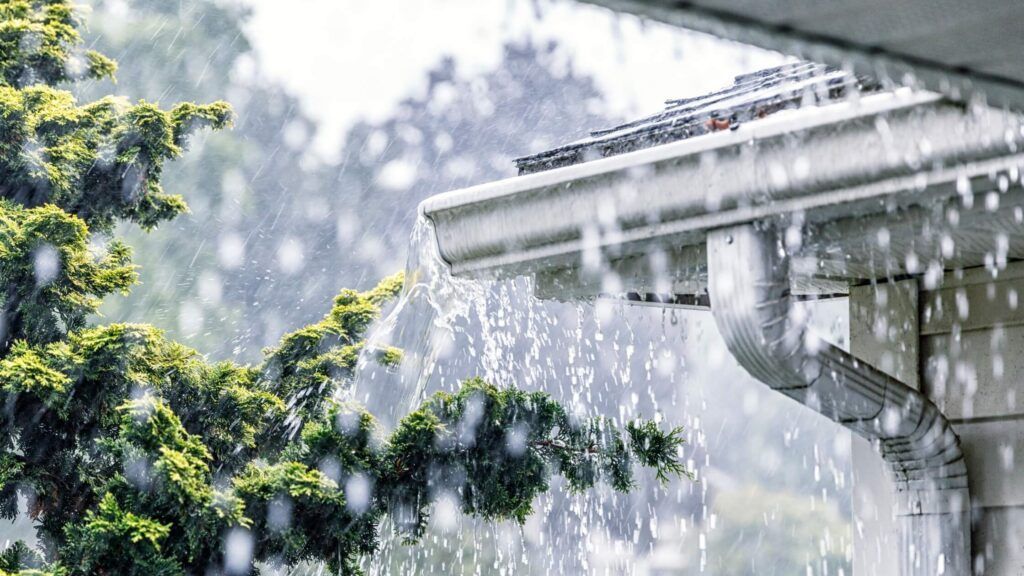
Heavy spring rain can cause sewer backups. Learn warning signs, causes, and how to protect your home from costly plumbing damage.
Protect your home this spring with our Georgia plumbing checklist. Serving Brooks, Griffin & Peachtree City. Schedule inspection today.
Start the Year Right: 7 Smart Plumbing Resolutions for 2026
Learn key December plumbing tips to prevent frozen pipes, protect water heaters, and avoid winter plumbing emergencies in Brooks & surrounding areas.