Garbage disposals make cleaning up after meals quick and convenient, but they're not designed to handle everything. Putting the wrong items down your disposal can lead to stubborn clogs, damaged blades, unpleasant odors, and even expensive plumbing repairs.
Whether you're cleaning up after a backyard barbecue or preparing fresh summer meals, knowing what
not to put down your garbage disposal can help keep your kitchen plumbing working properly.
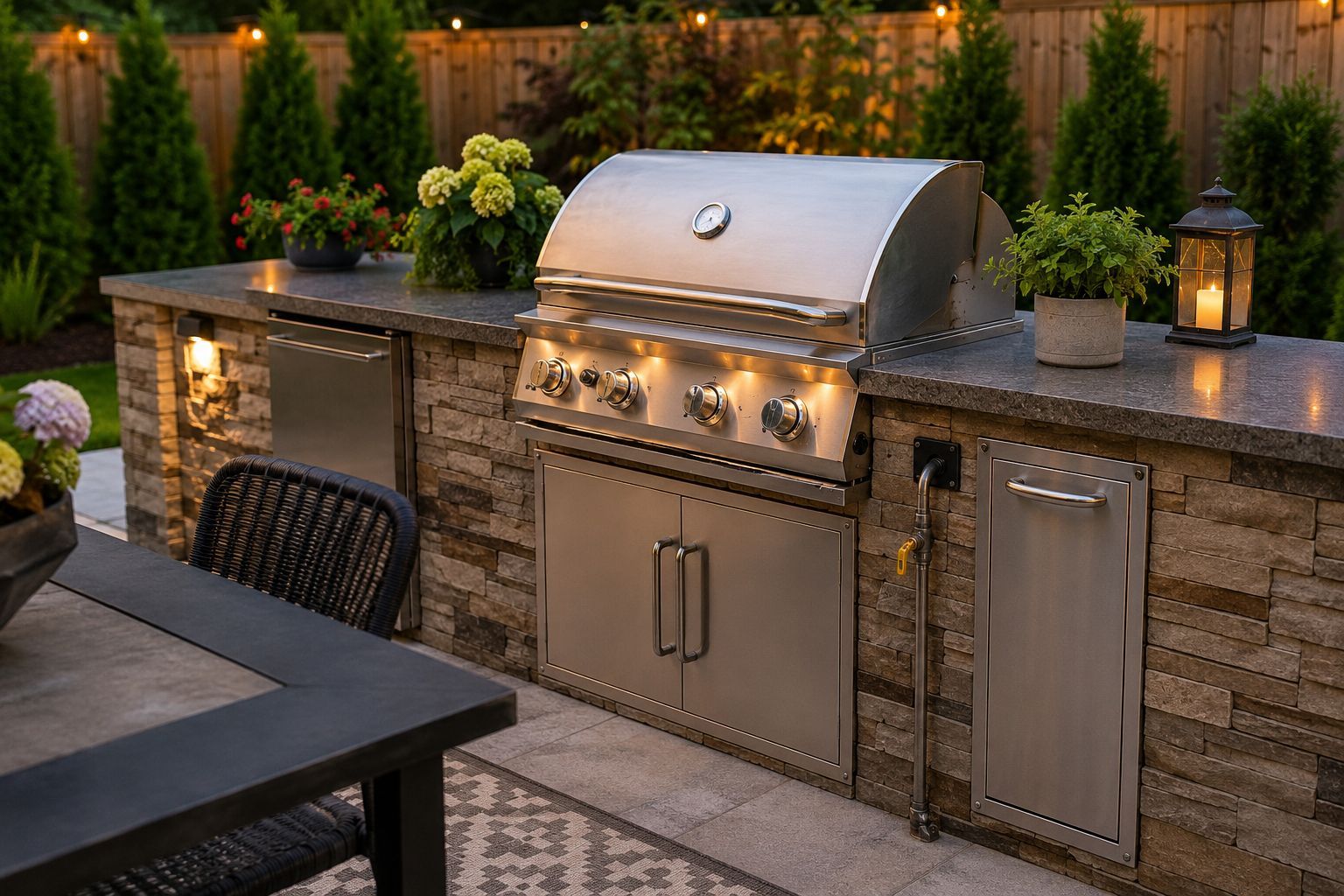
If you're upgrading your kitchen or adding an outdoor cooking area, Buffington's Plumbing also offers
Gas Line Installation & Repair for gas ranges, outdoor kitchens, and built-in grills.
At
Buffington's Plumbing, we've helped homeowners throughout Brooks, Griffin, Fayetteville, Peachtree City, Newnan, Zebulon, and surrounding South Metro Atlanta communities resolve clogged drains, jammed garbage disposals, and other common kitchen plumbing issues.
Why Garbage Disposals Get Clogged
1. Grease, Oil, and Cooking Fat
One of the biggest mistakes homeowners make is pouring grease or cooking oil down the drain. While liquids may seem harmless, grease hardens as it cools and sticks to the inside of your pipes.
Over time, this buildup can:
- Restrict water flow
- Trap food particles
- Cause stubborn drain clogs
- Lead to unpleasant odors
Instead, allow grease to cool, then dispose of it in a sealed container in the trash.
2. Coffee Grounds
Coffee grounds don't dissolve in water. Instead, they collect inside your plumbing system and combine with grease or soap residue to create thick blockages.
Dispose of coffee grounds in the trash or add them to your compost pile instead.
3. Eggshells
Many people believe eggshells sharpen disposal blades, but that's a common myth.
The thin membrane inside the shell can wrap around moving parts while crushed shell pieces may collect inside pipes and contribute to clogs.
4. Fibrous Fruits and Vegetables
Certain produce contains long fibers that can wrap around your disposal's motor.
Avoid putting items like:
- Celery
- Corn husks
- Asparagus
- Artichokes
- Onion skins
- Banana peels
These foods are better suited for the trash or compost bin.
5. Pasta, Rice, and Bread
Pasta, rice, and bread continue absorbing water after they're discarded.
As they expand, they create a thick, sticky mass that can clog both your disposal and drain lines.
It's best to scrape these leftovers into the trash before washing dishes.
6. Bones and Fruit Pits
Even powerful garbage disposals aren't designed to grind hard materials like:
- Chicken bones
- Beef bones
- Peach pits
- Avocado pits
- Corn cobs
These items can damage internal components or jam the disposal completely.
7. Potato Peels
Large amounts of potato peels create a starchy paste that sticks inside pipes and slows drainage.
While a few small pieces may not cause problems, it's best to throw most potato peels in the trash.
8. Seafood Shells
Shrimp shells, crab shells, lobster shells, and oyster shells are too hard for most garbage disposals.
These materials can dull grinding components and create stubborn blockages.
9. Non-Food Items
It may sound obvious, but accidental items often end up in the disposal.
Keep these out:
- Plastic wrappers
- Twist ties
- Paper towels
- Sponges
- Fruit stickers
- Glass
- Metal utensils
These objects can quickly damage the disposal and require professional repairs.
How to Keep Your Garbage Disposal Working Properly
A few simple habits can extend the life of your garbage disposal:
- Always run cold water before, during, and after using the disposal.
- Feed food waste gradually instead of all at once.
- Cut larger food scraps into smaller pieces.
- Clean the disposal regularly with ice cubes and citrus peels for a fresher smell.
- Never overload the disposal.
Regular care helps prevent clogs while keeping your kitchen plumbing flowing smoothly.
Preventing kitchen clogs is just one way to keep your plumbing system running efficiently. If you've also noticed an unexpected increase in your monthly utility costs, check out our guide on
Why Is My Water Bill So High This Summer? to learn how hidden leaks and plumbing issues could be affecting your home.
When Should You Call a Plumber?
If your garbage disposal:
- Frequently clogs
- Makes loud grinding noises
- Leaks underneath the sink
- Won't turn on
- Drains slowly
- Produces persistent odors
it's time to have it inspected by a professional.
Buffington's Plumbing provides reliable
plumbing repairs and kitchen plumbing services throughout Brooks, Griffin, Fayetteville, Peachtree City, Newnan, Zebulon, and surrounding communities.
Our experienced team can quickly diagnose the problem and recommend the right solution to get your kitchen back in working order.
Keep Your Kitchen Plumbing Running Smoothly
A little prevention goes a long way when it comes to your garbage disposal. By keeping grease, fibrous foods, hard objects, and expandable foods out of the disposal, you can reduce the risk of clogs and costly plumbing repairs.
If your garbage disposal isn't working properly or you're dealing with a stubborn kitchen drain clog,
contact
Buffington's Plumbing
today. We're here to help homeowners throughout Brooks and the surrounding South Metro Atlanta communities keep their plumbing systems running efficiently.