Turning on the shower only to get a weak stream of water is frustrating. So is waiting forever for the kitchen sink to fill or noticing that your water pressure drops whenever someone uses another fixture.
Sometimes
low water pressure is caused by a relatively simple plumbing problem. Other times, it can be an early warning sign of a leak, aging pipe, water line issue, or another problem that deserves professional attention.
At
Buffington's Plumbing, we help homeowners throughout Brooks, Griffin, Fayetteville, Peachtree City, Newnan, Zebulon, and surrounding South Metro Atlanta communities diagnose water pressure problems and find the right solution.
Is Low Water Pressure Affecting One Fixture or the Whole House?
One of the first things to determine is whether the problem is happening at a single fixture or throughout your home.
If only one faucet or shower has weak pressure, the issue may be isolated to that fixture.
If faucets, showers, and other fixtures throughout the house suddenly have poor pressure, there could be a larger problem within your plumbing system or water supply.
Knowing the difference can help narrow down the possible cause.
1. Clogged Faucets or Showerheads
Mineral deposits and sediment can gradually build up inside faucet aerators and showerheads.
As those openings become restricted, less water can pass through, making it seem like your home's water pressure has dropped.
If the problem is limited to one faucet or shower, inspect the fixture for visible buildup. Cleaning or replacing the aerator or showerhead may solve the problem.
However, low pressure throughout the home usually points to something beyond a clogged fixture.
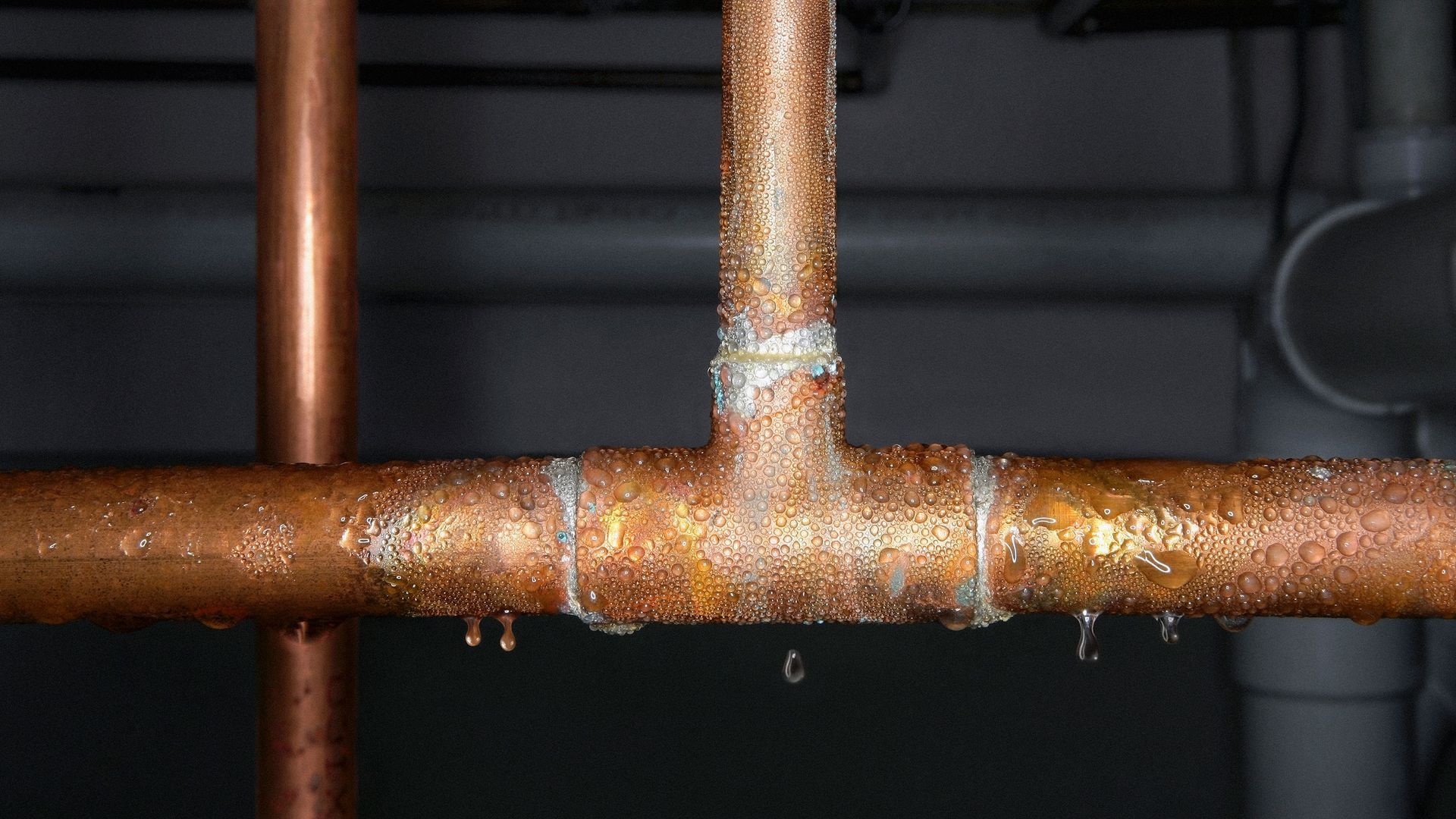
2. A Hidden Plumbing Leak
A leak allows water to escape before it reaches your faucets and fixtures, potentially reducing water pressure throughout your home.
Some leaks are obvious. Others can occur behind walls, beneath floors, or underground.
Possible signs of a hidden plumbing leak include:
- Unexpected increases in your water bill
- Damp or discolored walls and ceilings
- Musty odors
- Wet areas in the yard
- The sound of running water when fixtures are turned off
- Low or inconsistent water pressure
Ignoring a hidden leak can lead to water damage and more extensive
plumbing repairs.
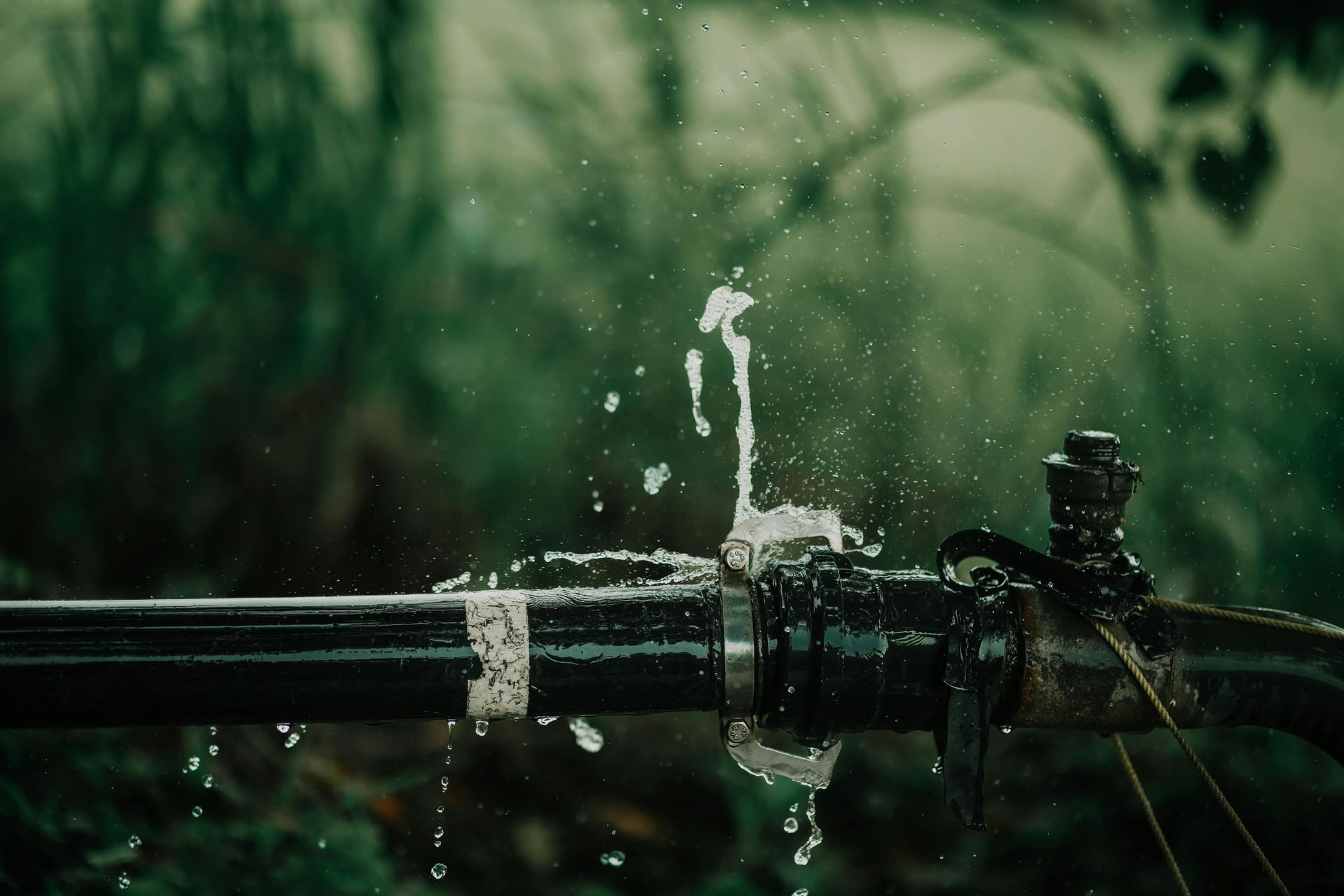
3. Problems With Your Main Water Line
If water pressure is low throughout your entire home, the main water line may be worth investigating.
Underground water lines can develop leaks or other problems due to age, corrosion, soil movement, tree roots, or damage.
Because the line is underground, you may not immediately see a leak.
Signs of a possible water line problem can include unusually wet areas of the yard, reduced water pressure, discolored water, or unexplained increases in water usage.
A professional plumber can evaluate the system and determine whether the
water line needs repair or replacement.
4. Partially Closed Main Shutoff Valve
Your home's main water shutoff valve controls the flow of water entering the plumbing system.
If the valve isn't completely open, it can restrict water flow and reduce pressure throughout the house.
This sometimes happens after plumbing repairs or other work involving the water supply.
If you're unsure where the valve is located or whether it's operating correctly, it's better to have a professional inspect it rather than forcing a valve that may be old or damaged.
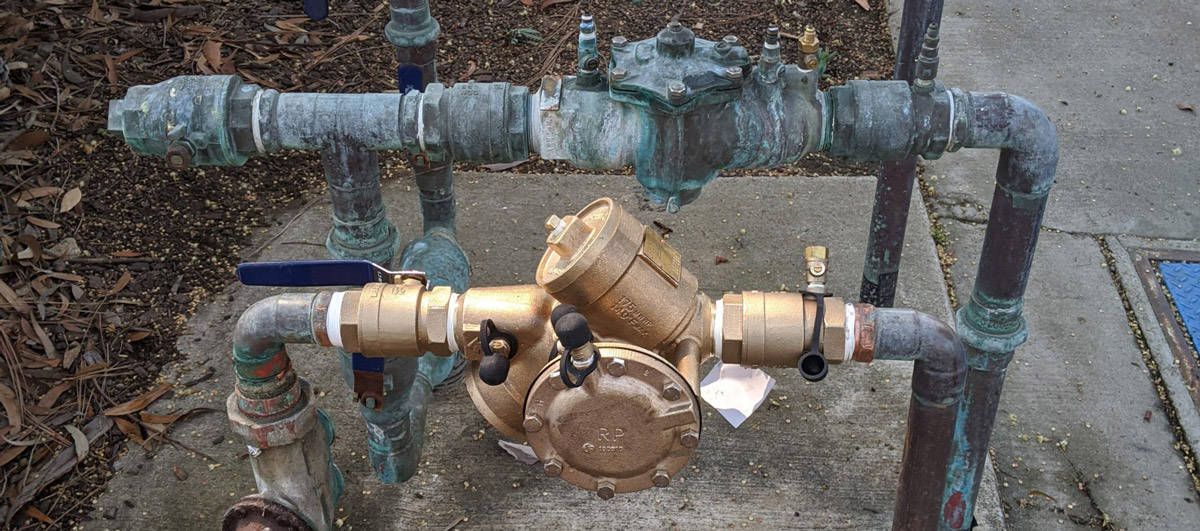
5. A Pressure Regulator Problem
Some homes have a pressure-reducing valve, or pressure regulator, that controls the pressure of water entering the home.
When the regulator begins to fail, homeowners may experience water pressure that's unusually low, unusually high, or inconsistent.
A plumbing professional can test the home's water pressure and determine whether the regulator is functioning properly.
6. Aging or Corroded Pipes
Older plumbing systems can develop corrosion and mineral buildup inside the pipes.
As the inside diameter of the pipe becomes narrower, water has less room to flow. The result can be gradually worsening water pressure throughout the home.
This is one reason persistent low water pressure shouldn't automatically be dismissed as an inconvenience.
A plumber can evaluate the condition of the home's plumbing and determine whether aging pipes are contributing to the problem.
7. High Water Demand
Sometimes the plumbing system isn't damaged at all.
You may notice temporary pressure changes when several fixtures or appliances are using water at the same time.
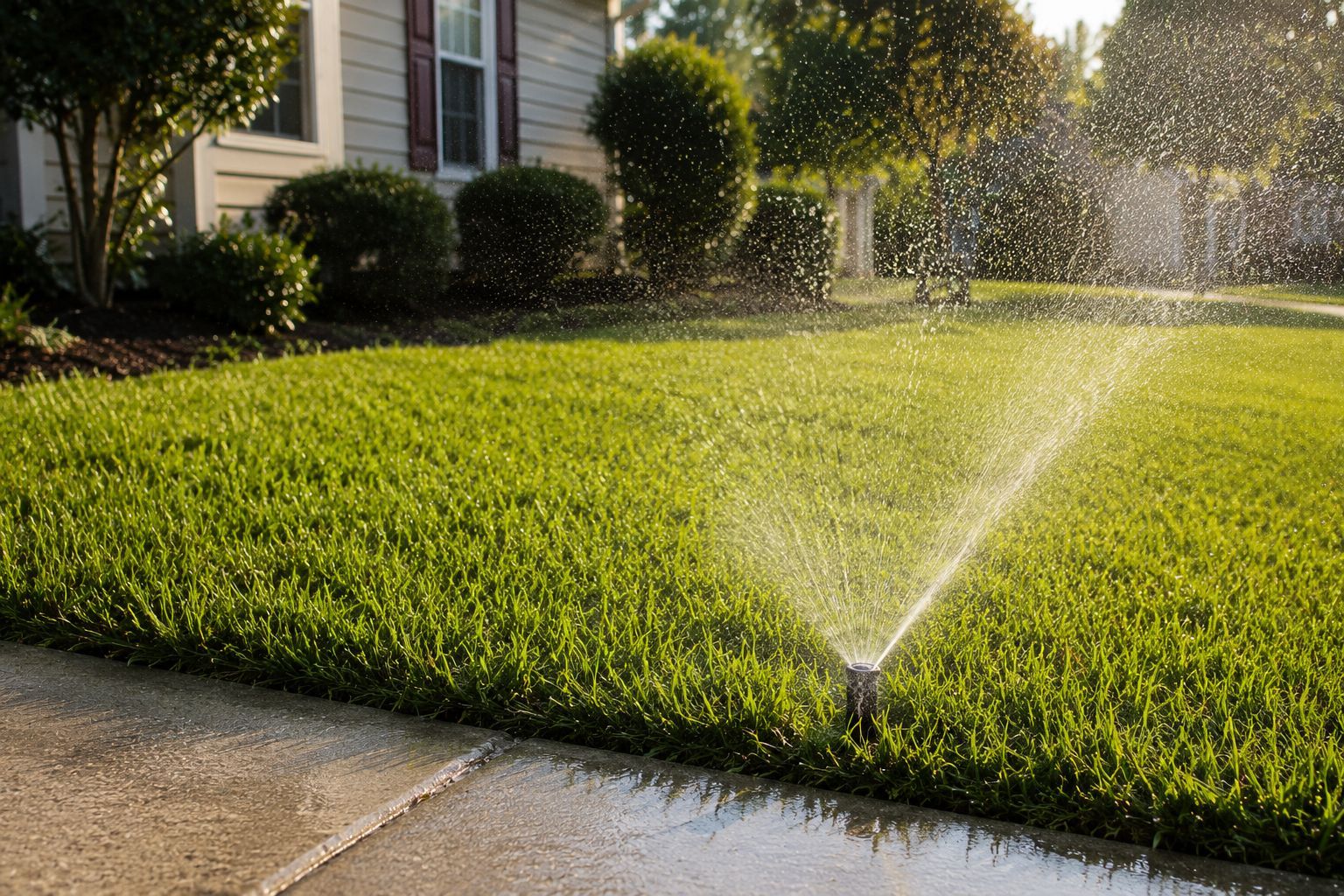
For example, pressure might decrease when someone takes a shower while the washing machine is filling and an irrigation system is running outside.
Occasional fluctuations may be normal. A significant or persistent loss of pressure, however, deserves a closer look.
Don't Ignore a Sudden Change in Water Pressure
If your home's water pressure has always been relatively consistent and suddenly drops, something has changed.
A sudden pressure loss could indicate:
- A plumbing leak
- Water line damage
- A valve problem
- A pressure regulator issue
- A problem with the municipal water supply
If neighboring homes are experiencing the same issue, your local water provider may be dealing with maintenance or a water main problem.
If the problem appears limited to your property, it's time to investigate your home's plumbing.
When Should You Call a Plumber for Low Water Pressure?
You should consider calling a professional if:
- Low pressure affects several fixtures
- The problem appeared suddenly
- Your water bill has unexpectedly increased
- You notice wet areas around your home or yard
- Your water looks rusty or discolored
- Pressure continues getting worse
- You suspect a water line leak
Buffington's Plumbing
can inspect your plumbing system, identify the source of the problem, and recommend the appropriate repair.
With more than 30 years of experience, our team provides professional plumbing services throughout Brooks, Griffin, Fayetteville, Peachtree City, Newnan, Zebulon, and surrounding communities.
Get Your Water Pressure Back to Normal
Low water pressure may seem like a minor inconvenience, but it can sometimes be your plumbing system's way of telling you something isn't right.
Whether the problem is a fixture, hidden leak, pressure regulator, aging pipe, or main water line, identifying the cause early can help prevent additional damage and more expensive repairs.
If you're experiencing
low water pressure in Brooks, GA or the surrounding area, contact Buffington's Plumbing to schedule professional plumbing service and get to the bottom of the problem.